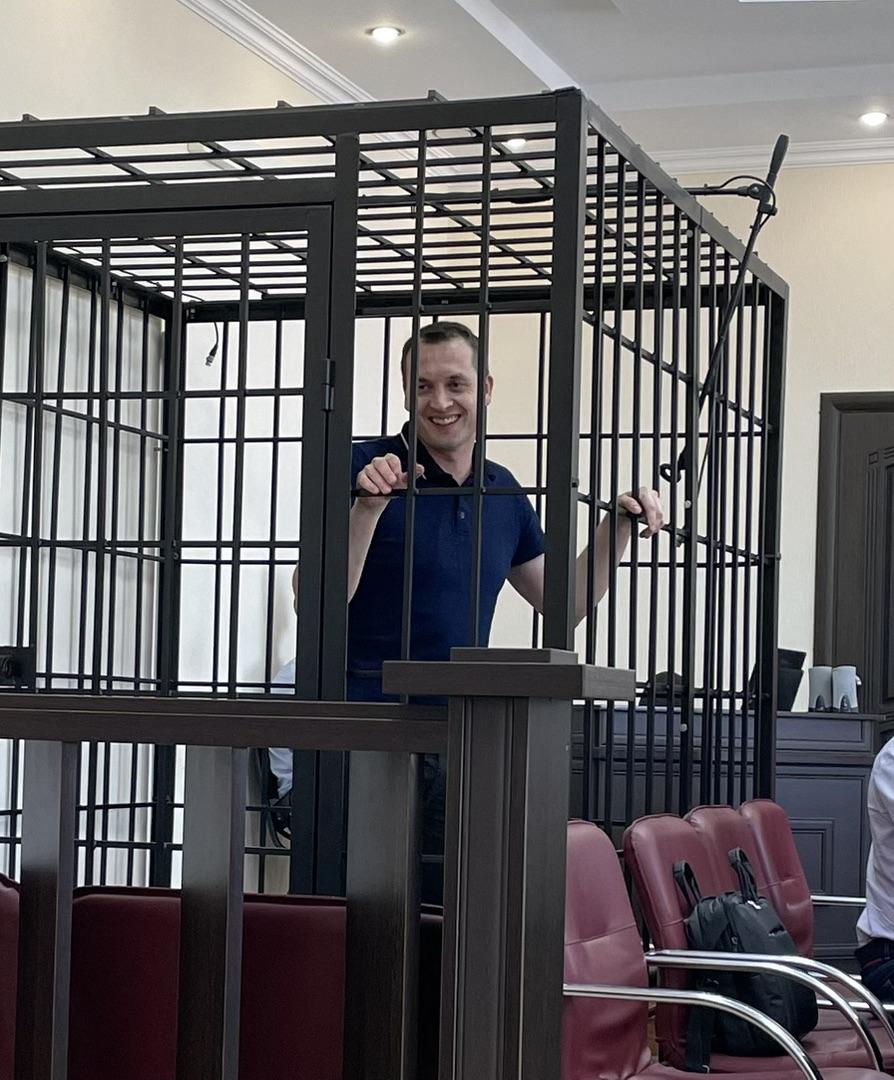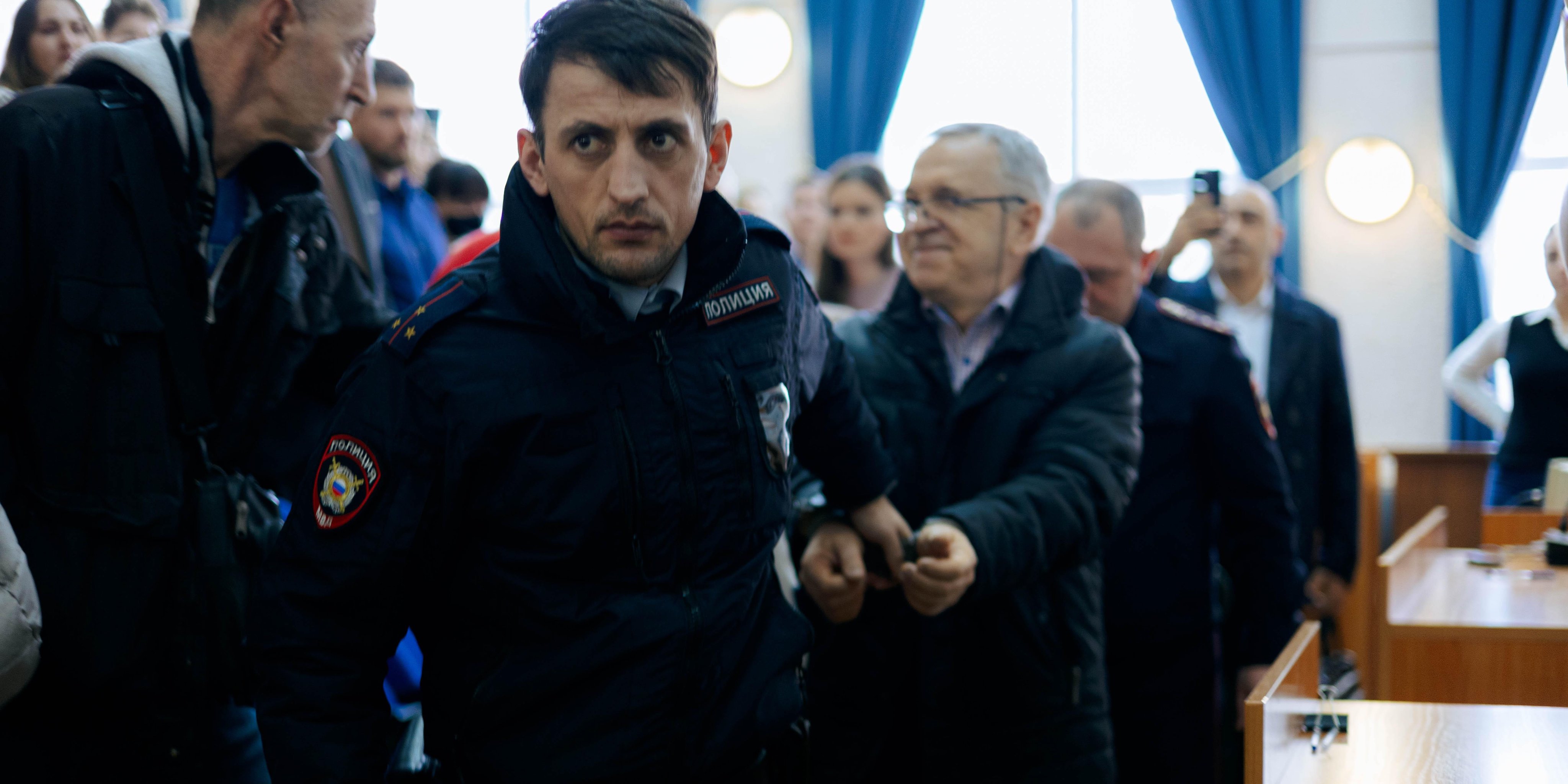
Aleksey Lelikov, a music teacher with a disability, was sentenced to 6.5 years in a penal colony. February 2025
Aleksey Lelikov, a music teacher with a disability, was sentenced to 6.5 years in a penal colony. February 2025
A Thousand Years for Their Faith: Repression Against Jehovah’s Witnesses — 2025 Review
"They imprison less, but more severely" — that was the headline of a similar review a year ago, when statistics gave hope that the repression against Jehovah's Witnesses in Russia if not subsiding, was at least losing intensity. A year later, it is clear that this is not the case. In 2025, the number of raids, new criminal defendants, and incidents of unprovoked violence against believers has increased. In more than 8 years of persecution, the total prison terms handed down have exceeded 1,000 years. This article looks at the human stories which are masked by the dry reports of "crusaders against extremism" — extremism that has never been proven — and at what Jehovah's Witnesses in Russia have faced during the past year.
Millennium of Incarceration
Aleksey Lelikov has devoted nearly his entire life to music. For many years, he taught piano and, in 1994, even reached the finals of the "Teacher of the Year" competition in Krasnodar. Around the same time, Aleksey became one of Jehovah's Witnesses. He had never had any trouble with the law. Yet in February 2025, on indiscriminate charges of extremism, a court sentenced the disabled 64-year-old believer to 6.5 years imprisonment.
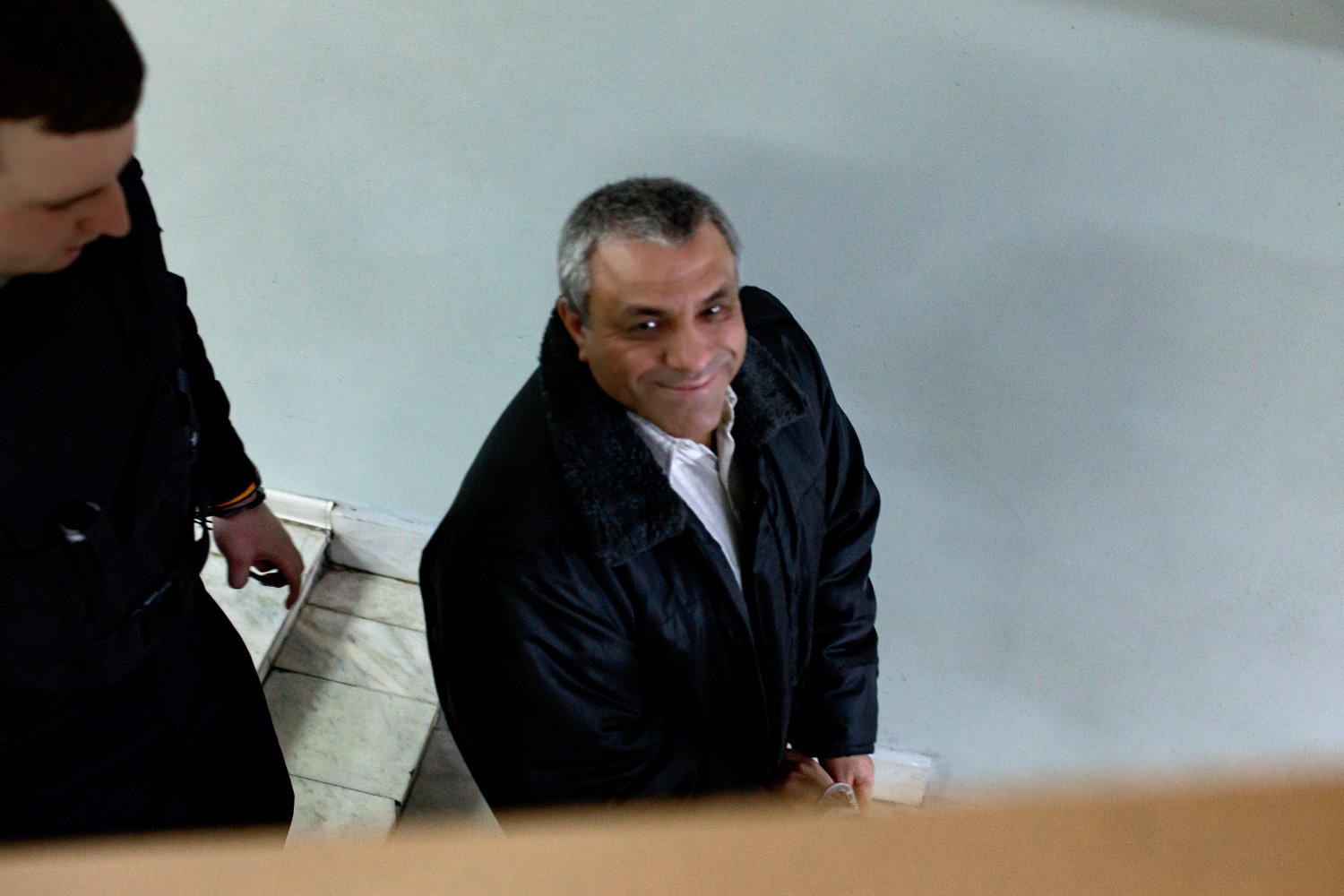
Aleksey is just one among 906 individuals whose lives have been irrevocably changed by prosecution for their faith. During 8.5 years of persecution, more than 500 Jehovah's Witnesses — men and women — have served time behind bars, and 179 remain imprisoned to this day. Verdicts have been issued against 665 believers. Of these, 215 people (32%) received prison sentences — 146 of them (68%) were sentenced to 5 years or more. The combined length of prison terms totals 1,128 years.
During the past year, 125 believers were convicted. Of these 38 were sentenced to prison, with the overwhelming majority — 30 (nearly 80%) — receiving more than 5 years. The harshest sentence that year — 7 years in a penal colony — was handed down to four believers: Yevgeniy Sokolov from Voronezh, Samvel Babayan from Samara, Ivan Neverov from Saransk, and Igor Lonchakov from Vladivostok. Yevgeniy and Samvel suffer from serious illnesses and Igor is disabled.
Suspended sentences were given to 49 people (39%), and 37 were fined amounts ranging from 250,000 to 650,000 rubles.
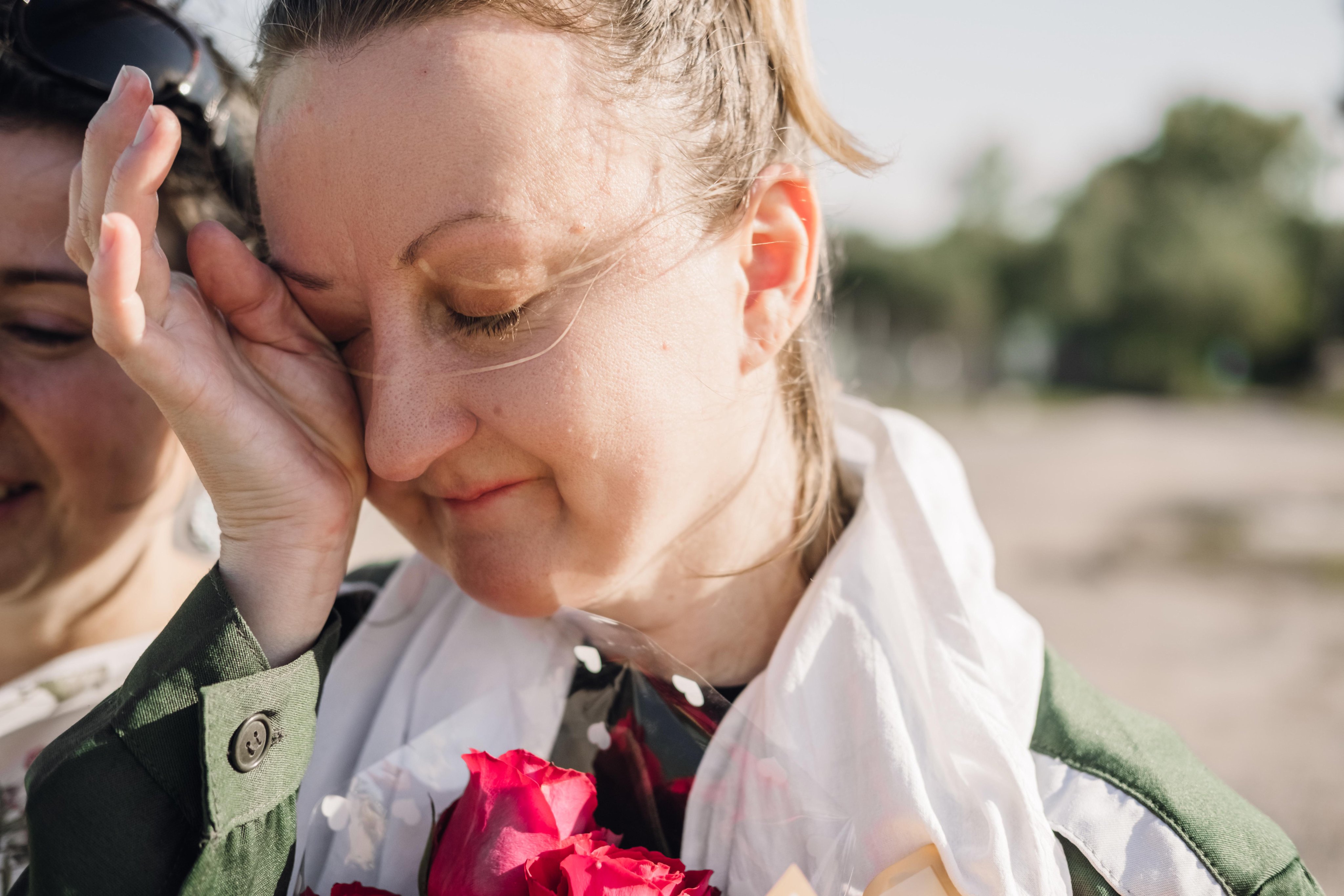
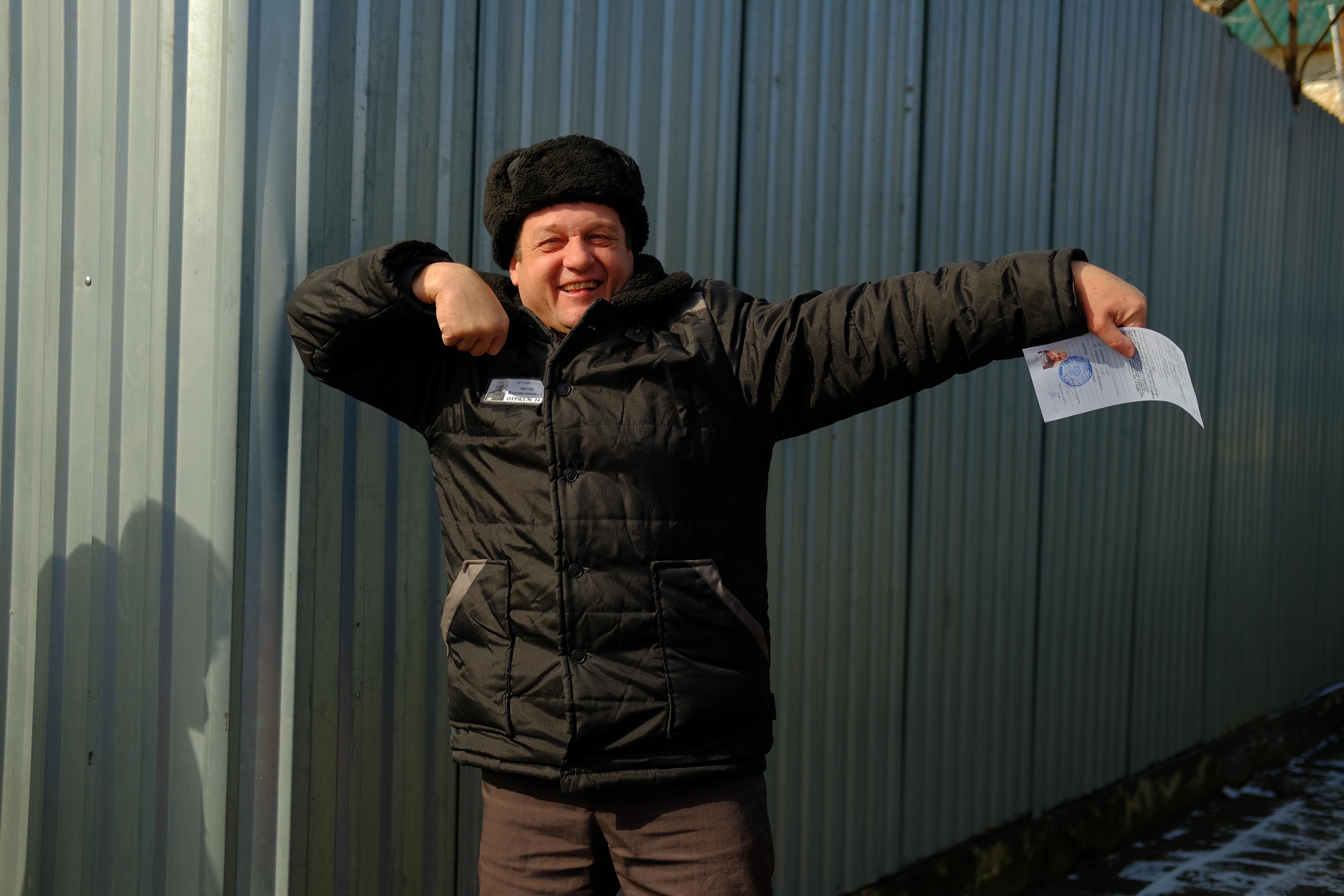
Last year 16 believers completed their prison terms and were released. Among them was Aleksandr Seredkin, 71. He was freed only after it was discovered he has advanced cancer. "I'm still young," he joked, adding: "I want to recover and finish the Christian race to the end."
Torture, Violence, and Real Victims
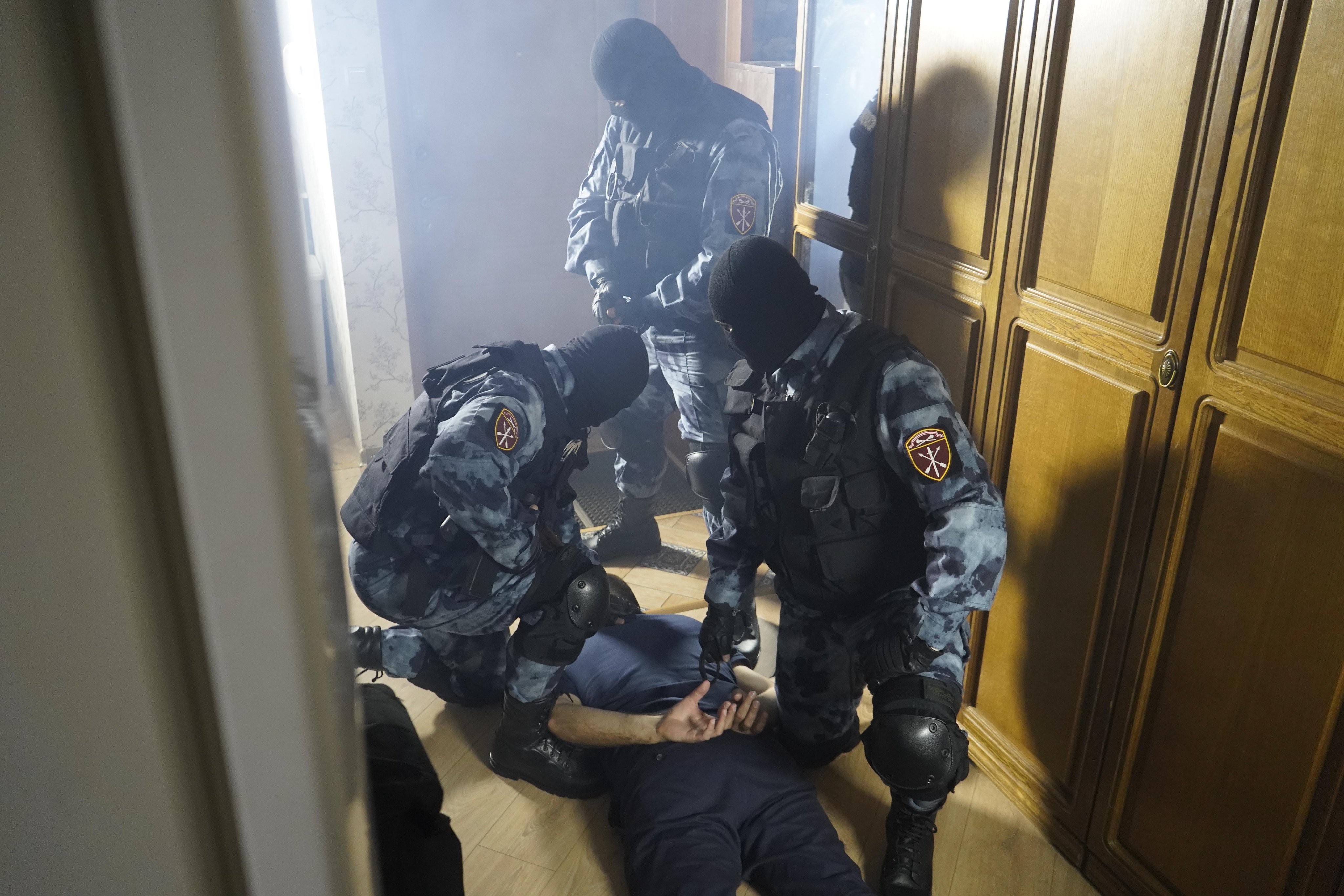
In 2025, there were at least eight cases of unprovoked violence and cruel treatment against Jehovah's Witnesses — including incidents that meet the definition of torture under the UN Convention.
During more than 8 years of persecution, already over 70 believers have suffered such abuse. None of these crimes have been properly investigated, and none of the perpetrators have faced the punishment prescribed by law.
During the year, three elderly believers who were criminally prosecuted passed away: Liliya Dolinina, Lyudmila Shut, and Valeriy Baylo. Valeriy died in the actual detention center, never having received the medical care he needed. In total, the number of deaths in connection wtih the criminal prosecution has reached 16.
"I Wish You Many Happy Years in Your Loving Family Home..."
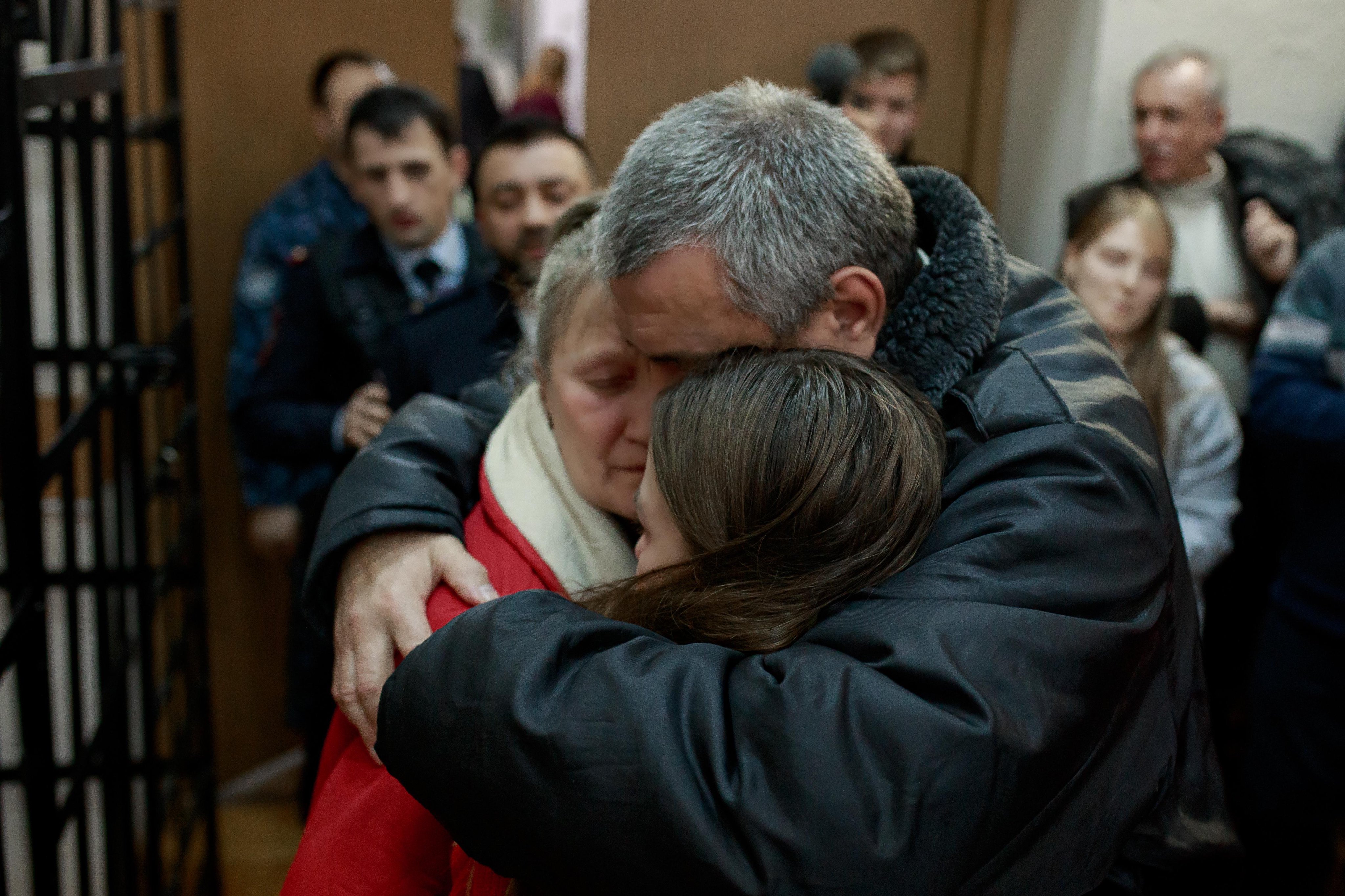
At least 81 prosecuted individuals have documented serious health conditions, 34 are officially disabled. Today, 36 seriously ill believers are held in penal colonies and pretrial detention centers, where access to proper medical care is often impossible.
The disability of Boris Andreyev, 74, was recognized when he was already in the penal colony. The court sentenced him to 6 years, fully aware of his serious illness — already during the preliminary investigation a precancerous condition requiring regular medical monitoring was identified. Boris was unable to obtain a full medical examination for more than a year in detention and his condition worsened. Only in 2025 did a medical commission confirm the diagnosis — cancer. Boris underwent a course of treatment.
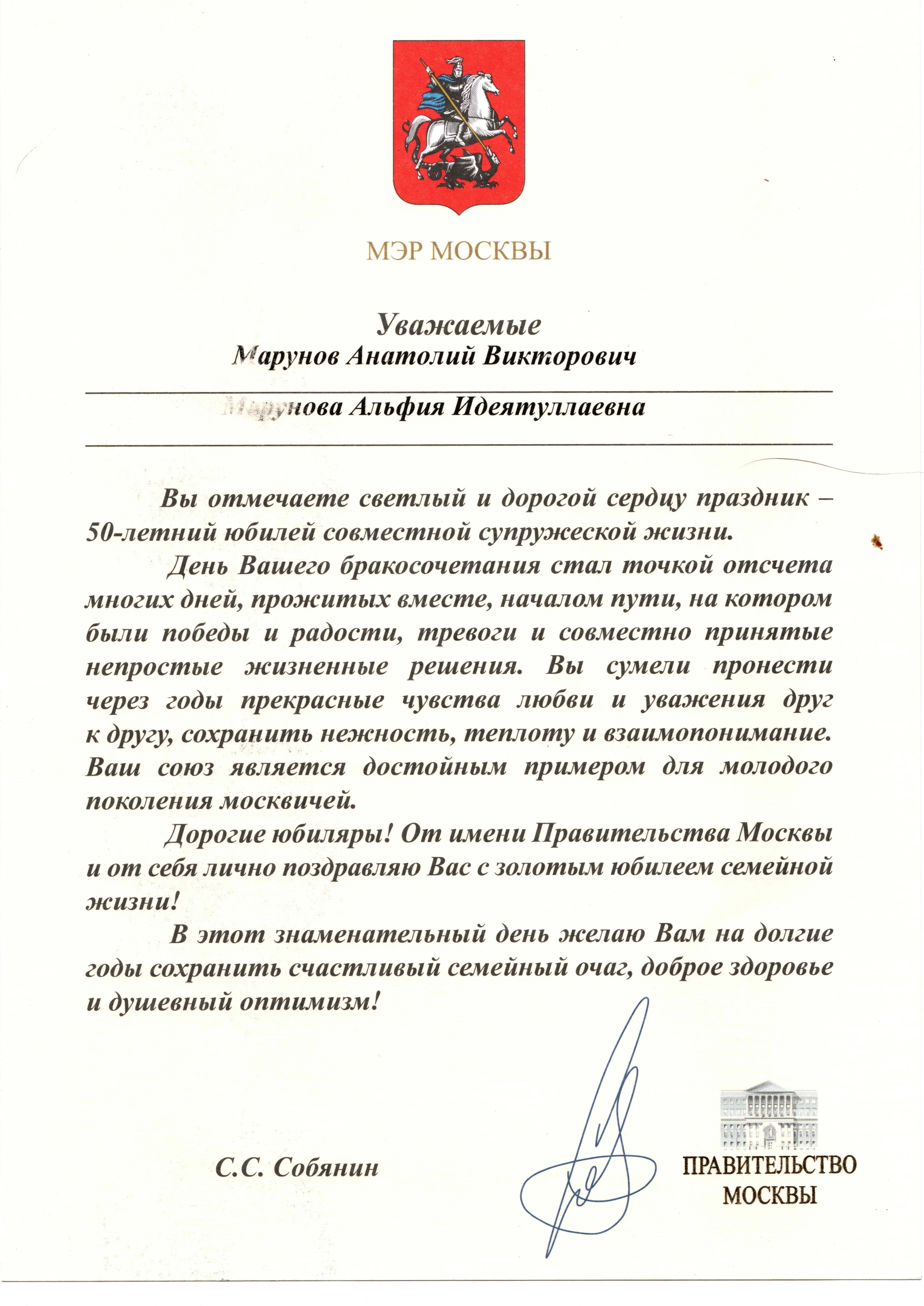
Anatoliy Marunov, 72, is serving a 6.5-year sentence in a penal colony. Even before his imprisonment, he had suffered a stroke and was diagnosed with heart failure, hypertension, and a prostate tumor. When his wife visited him in the penal colony in the Tambov Region and saw his condition, she was alarmed. "I was terrified," Alfia said. "He was covered in tubes, catheters, bags... It's no longer a person, but a living corpse..." In January 2025, Anatoliy needed surgery, but it could not be performed in that region. The court refused to reduce his sentence despite doctors' conclusions that his life was at risk. In October, he was hospitalized, and in December, a medical commission confirmed his disability. Meanwhile, the court of cassation upheld the verdict, refusing to attach documents about his condition to the case. Today, Anatoliy receives only limited medical care. In bitter irony, Moscow City Hall recently sent the separated Marunov family a congratulatory letter on their 50th wedding anniversary. Mayor Sergey Sobyanin praised the elderly couple as an example for young people and wished them "many happy years in their loving family home."
Samvel Babayan, 53, from Samara was sentenced to 7 years imprisonment. At the time of his arrest, he was preparing for major surgery, but treatment was canceled. Soon after, his chronical illnesses of his internal organs, including a tumor, worsened. He suffers constant spinal pain, has lost 15 kilograms and hearing in one ear. For more than a year, Samvel remained in pretrial detention without proper medical care. He now awaits transfer to a penal colony, where adequate treatment is impossible. Severe pain plagued him even during court hearings. The defense requested fewer sessions, but the court refused. At one hearing, Samvel lost consciousness and an ambulance was called — yet the trial was not postponed.
Secret "Pastor"
Across the country, law enforcement agencies spy on believers, including using agents who feign an interest in the Bible. For months — sometimes years — they secretly record conversations and later testify in court as anonymous witnesses.
One agent, Yekaterina Petrova, spied on a group of 17 Jehovah's Witnesses, including elderly people. Her testimony led to prison sentences of up to 8 years. Another example: nearly all criminal cases in the village of Vyselki, Krasnodar Territory, were fabricated through the efforts of an agent known in court under the pseudonym "Pastor".
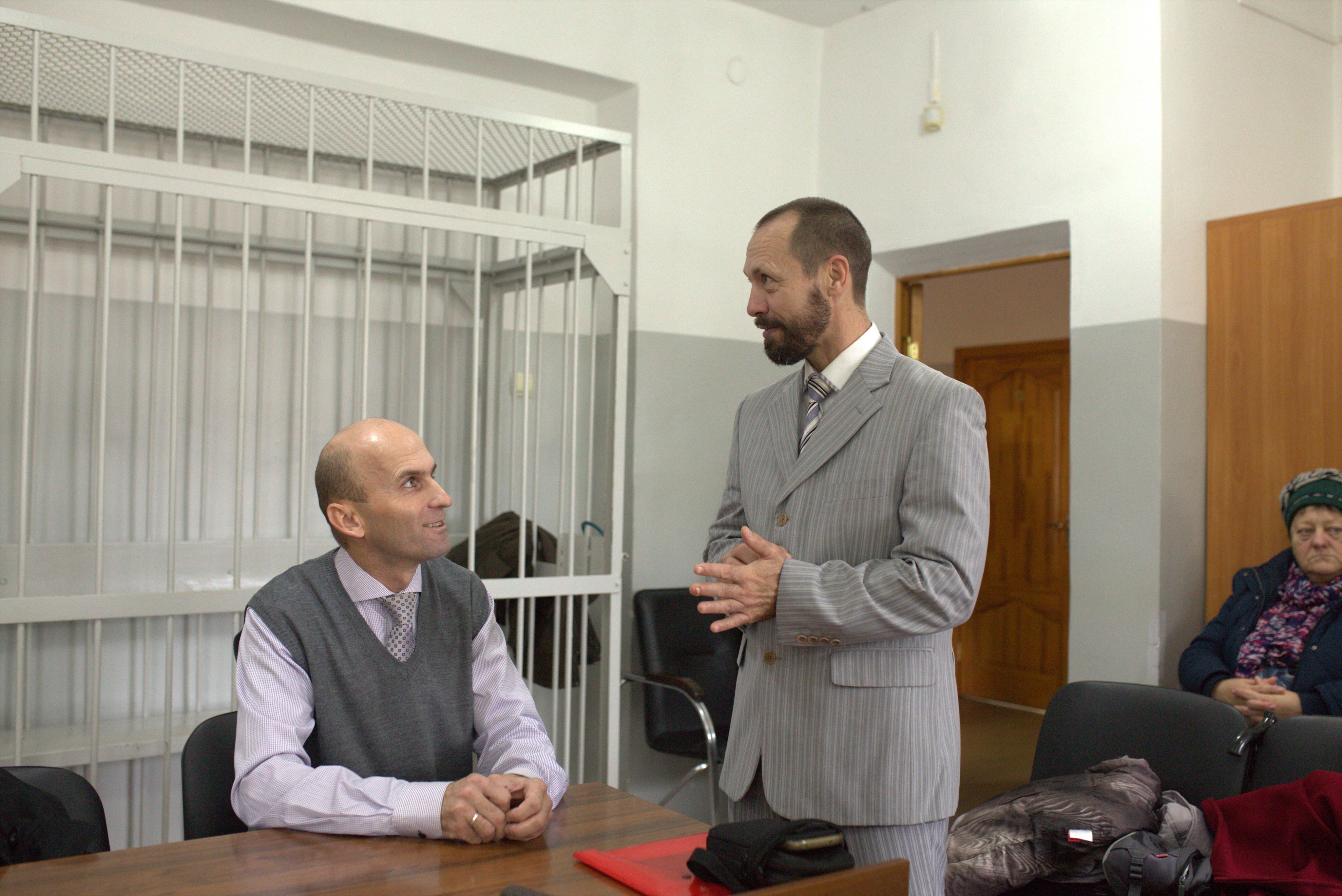
All that the testimony of these spies managed to prove was that the believers discussed the Bible and prayed to Jehovah. During hearings, often the agents end up giving testimony in favor of the defense during hearings. "I, for example, never heard the defendant say that other religions are bad," Pastor admitted at Spirichev's trial, where Viktor was later given a suspended sentence. Sergey Dvurechenskiy said about this witness: "He's doing this for some reason — resentment or something else. That's his business. It's not for me to judge... There's still some hope that he'll come to his senses."
"The KGB used exactly the same tactics during the Soviet-era ban on Jehovah's Witnesses. It's all in the archives and repeatedly documented by historians," says Yaroslav Sivulskiy, a representative of the European Association of Jehovah's Witnesses. "What did these spies uncover? The same as now: Jehovah's Witnesses are not enemies of society or the state. In 1991, a law was passed to rehabilitate victims of repression, and in 1996, a presidential decree explicitly instructed the Prosecutor General's Office, FSB, and Interior Ministry to ensure rehabilitation of citizens harmed by terror. Today's authorities cannot claim ignorance of this."
Gold Mine
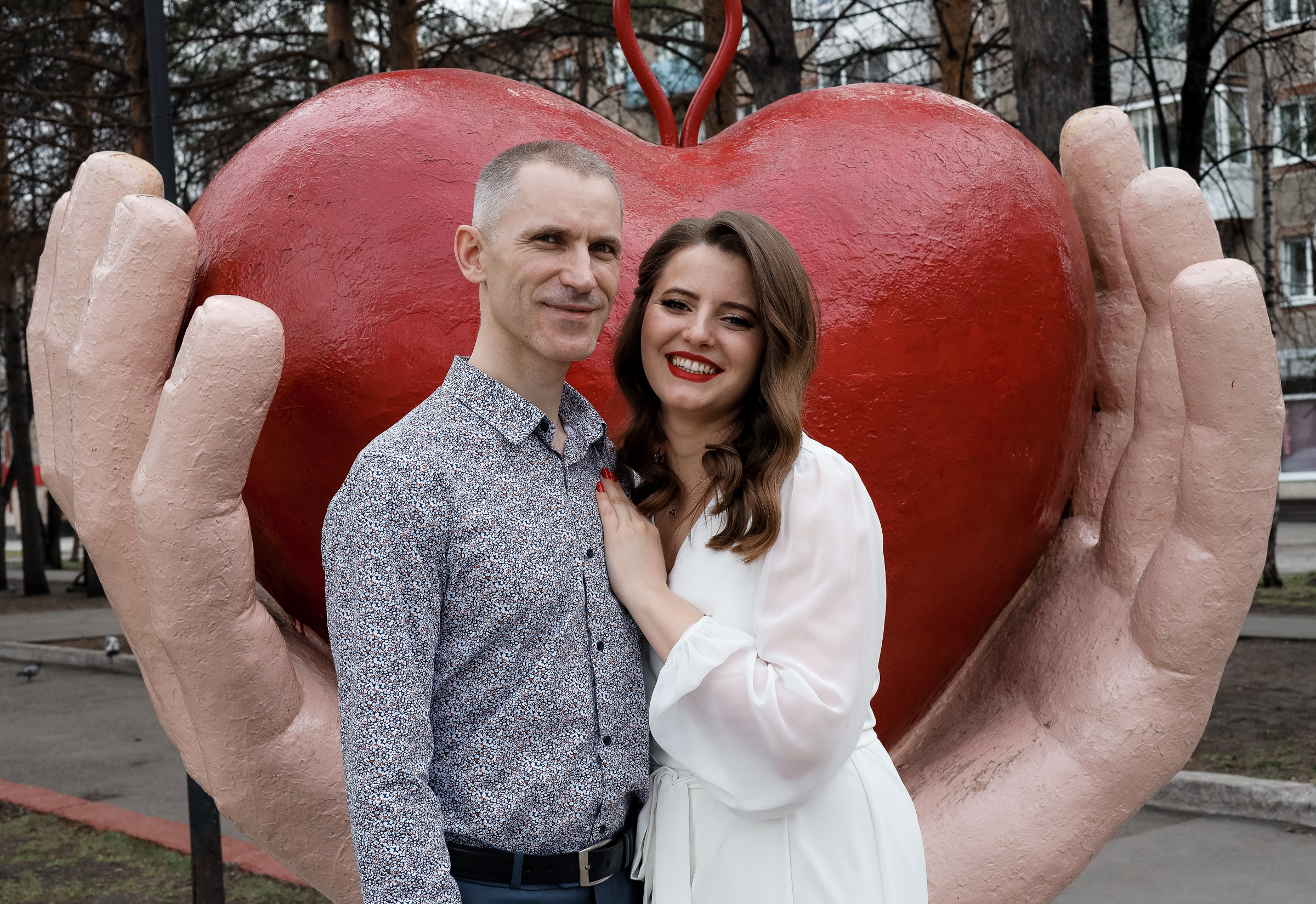
"It seems that for law enforcement agnecies, the tactic of targeting entire families has become a gold mine: why go after real criminals? That's dangerous. It's much easier to go after the relatives of Jehovah's Witnesses who are already under investigation. Most believers have strong family ties, so chances are — husband, wife, son, daughter — they also read and discuss the Bible. It really looks like that's exactly what investigators are doing," commented one lawyer who has helped defend the rights of believers in numerous criminal cases.
In 2025, criminal cases were initiated against four married couples: Nikolay and Larisa Kosov from Cherkessk (under travel restrictions), as well as Tomsk residents Yevgeniy and Tatyana Dodolin, Yevgeniy and Yana Abramov, Aysulu Tastaybekova and Vladimir Pushkov (all currently in pretrial detention). The numbers of believers prosecuted after their family members grew to include Yelena Shestopalova (mother of Vladlena Kukavitsa) and Mariya Pankova (wife of Sergey Tolokonnikov).
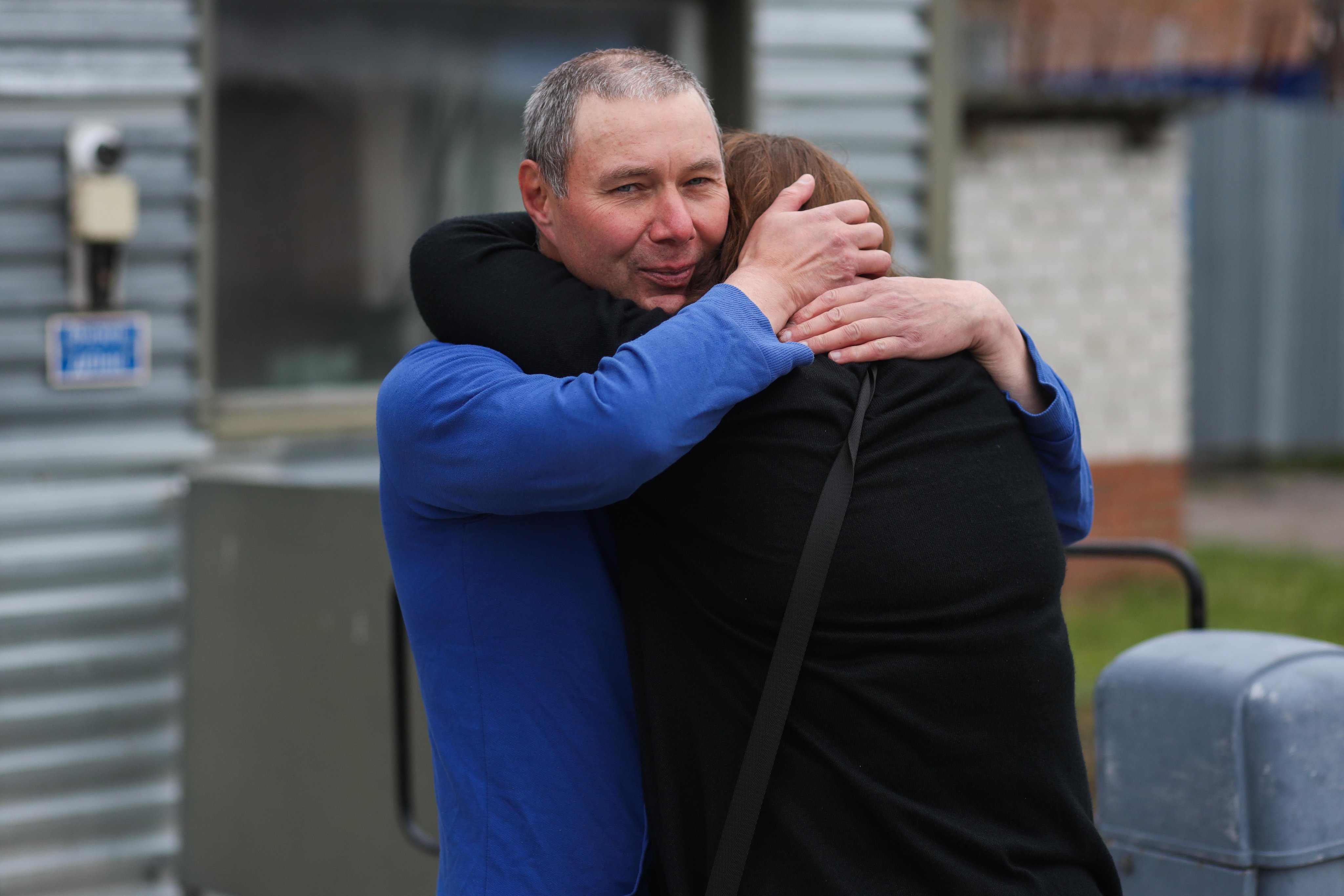
"I was getting ready to attend the trial of my daughter Vladlena," Yelena Shestopalova recalled the events in October. "An early ring at the door surprised me: 'Could it really be a search on the very day of the trial?' I had already gone through one search. I understood they could come again and initiate a case — it was only a matter of time." She added: "My life has changed a lot, but I never lost my joy and always believed that Jehovah would not abandon me during my troubles."
Cases in an Endless Cycle
Trials against many Jehovah's Witnesses have become an endless cycle: cases are sent back to the prosecutor's office, then the trial starts over; appeals overturn decisions, judges recuse themselves, the wait for a verdict drags on for years. This has happened in at least 33 criminal cases.
Another extreme: after securing a conviction, law enforcement agencies initiate yet another criminal case against the same believer. Some become defendants again while serving suspended sentences (such as Aleksandr Serebryakov or Oleg Postnikov). Others face new charges while already in a penal colony.
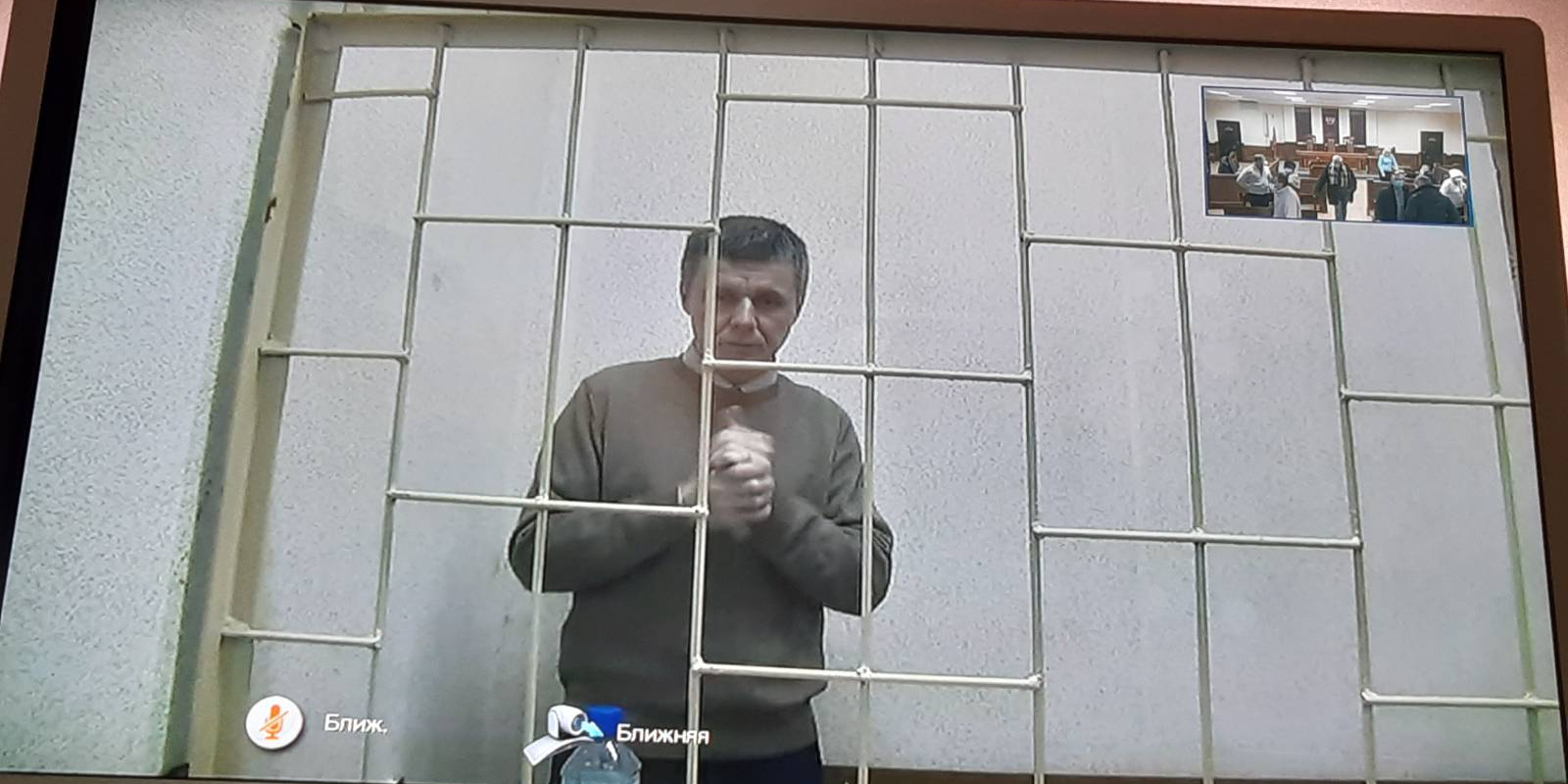
A telling example is Dmitriy Terebilov: he was prosecuted for answering a cellmate's questions about faith. In addition to the 3 years he had already served in a penal colony, the prosecutor requested another 10. "What's criminal about sharing your thoughts about God, discussing a passage from the Bible, or some scientific or historical fact?" he expressed his bewilderment during one of the hearings.
In reality, unjust punishment doesn't end even after release from a penal colony — believers continue to face additional restrictions. As a result, the actual duration of repression can exceed 20 years. For example, the prosecution of Dmitriy Barmakin began in July 2018. After lengthy investigations and numerous court hearings, he was sent to a penal colony, from which he should be released in November 2029. After that, he will be under restriction of freedom for another year, followed by 10 years of administrative oversight. In total, if nothing changes, the persecution of Dmitriy and his family will stretch to 22 years.
Life on Hold
Losing their freedom is not the only hardship faced by Jehovah's Witnesses who are being persecuted. The state employs numerous methods to infringe upon their rights. For example, before a verdict is reached, defendants are almost always subjected to some form of preventive measure: they are often forbidden to leave their homes (even briefly) without official permission, to use communication devices, and sometimes even to speak with family members.
Suspended sentences are the most common form of punishment for Jehovah's Witnesses — since 2017, 331 believers have been given such sentences. This type of verdict always includes a probation period ranging from 6 months to 5 years, during which the individual must "prove his correction" by exemplary behavior. If law enforcement agencies deem that the believer has committed any serious violations, the court can easily replace the suspended sentence with actual imprisonment.
Such restrictions inevitably affect the families of those being prosecuted. Aleksey and Yuliya Pasynkov were both given suspended sentences in 2025. They are raising a son with a severe disability. "Even before the prosecution began, we had planned trips to doctors in Moscow and St. Petersburg — all of this has now been delayed for several years. Now we are limited as to how we can move forward with his treatment," Aleksey said before his wife's verdict was announced.
Both parents have been added to the so-called list of terrorists and extremists by Rosfinmonitoring. At various times, this list has included the names of 741 Jehovah's Witnesses, and 570 remain on it today. For those on the list, even simple everyday tasks become significantly harder. People in poor health and the elderly are especially vulnerable — they may face difficulties paying for medical services or receiving social assistance.
"To collect my salary, I have to go to the bank twice a month. Sometimes I have to endure humiliation, explaining to the staff that I'm not an extremist," explained Maksim Beltikov, a father of three. He served 2 years in a penal colony but still feels the consequences of the unjust prosecution.
"They Will Deport Him — What About His Family?"
A new trend that has been gaining momentum over the past year is revoking the citizenship of Jehovah's Witnesses under prosecution. The procedure is simple: if a convicted believer's citizenship had been acquired, it is simply annulled shortly after the verdict takes effect. At least 12 people have faced this situation.
What does this mean in practice for believers and their families? Some again risk religious discrimination now in their country of birth; others face indefinite separation from loved ones; some may even become stateless due to bureaucratic hurdles.
Rustam Diarov is one of Jehovah's Witnesses whose citizenship was revoked. Upon his release he faces deportation, to where — still unknown. Rustam's wife and elderly mother are Russian citizens. His wife is disabled and depends on state-provided medication.
A similar decision was made regarding Mikhail Moysh's citizenship. He has been in custody since October 2021. Mikhail has two children; the younger was only a few months old when he was arrested. Since then, he has barely seen his sons. A deportation order could prolong this separation even further. Here's how Moysh's lawyer described the social dilemma:
"One of his children was born here in Russia. And now, they will deport Moysh... What about his family? Do they have to leave too? And to where, if one child has almost finished school here and the other is still very young and an RF citizen by birth..."
"These are just a few examples of the human drama hidden behind dry numbers," says Yaroslav Sivulskiy. "History and today's persecution prove only one thing: Jehovah's Witnesses are being targeted without cause. But repression has not crushed their faith. So, we can be sure that, as the Bible says, 'it will turn out well for those who fear the true God.'"