Biography
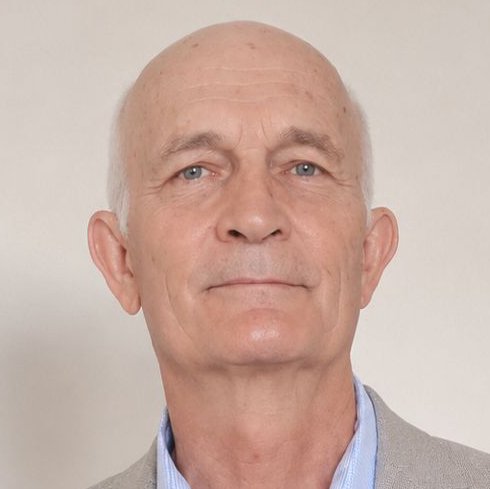
Valeriy Firsov has been practicing the religion of Jehovah's Witnesses for more than half a century. During this time, he has been behind bars twice: the first time was during the Soviet era, when he refused to take up arms and did not serve in the army; the second was in the summer of 2026, when he was charged with extremism.
Valeriy was born in October 1956 in Dzhezkazgan, Kazakhstan. Before retiring, his father managed a boiler house at a woodworking factory, and his mother worked as a laboratory assistant at a construction company. They had five children.
As a child, Valeriy was fascinated with photography, especially the process of developing the film and printing pictures. "I was truly mesmerized when an image gradually appeared on photo paper in the solution," he said. In winter, Valeriy played ice hockey; in summer, he played football and went fishing with friends.
"My mother read us fascinating Bible stories about Noah, Abraham, Joseph, and others. They became deeply rooted in my mind and heart," Valeriy recalls.
Valeriy's mother was baptized as one of Jehovah's Witnesses in 1958. At first, his father did not share her beliefs. Several Jehovah's Witnesses worked with him at the boiler house — observing them, he gradually developed respect for them; they were honest and reliable workers. After retiring, the head of the family began studying the Bible and was later baptized. He died in 1993. In 2022, one of Valeriy's brothers died of a serious illness, and a year later their mother passed away.
Valeriy became one of Jehovah's Witnesses in 1972. Several years later, he was drafted into military service. Because of his refusal on religious grounds, the young man was sent to a penal colony for 2 years. After 5 months, young Firsov was offered release in exchange for renouncing his beliefs. Valeriy refused. Other prisoners said: "Nothing bad would happen — you sin just once, say you're ready to go into the army, and then you get on with your life." He recalls: "Not for a moment did I regret what I did, but I did feel lonely. When it was all over, one prisoner came up to me and said: 'I don't believe in religion, but I will tell you this — you acted like a real man!' And he shook my hand firmly."
Valeriy met his wife in the fall of 1978 in Dzhambul; they married a year later. Valentina shares his outlook on life. The couple raised two sons and a daughter. Valentina worked as a bridge crane operator and telegraphist. She is interested in painting — she uses acrylics to paint landscapes. Over the course of his life, Valeriy had different jobs, including turner and mechanic for the maintenance of in-house gas equipment. The couple are now retired.
Throughout his life, Valeriy moved several times in Kazakhstan: to Dzhezkazgan, Dzhambul, and Karagaily. Since 1982, he has been living in the city of Yarovoye, Altai Territory — he moved there with his family at the invitation of his wife's parents.
Due to the criminal prosecution, Valeriy was placed under house arrest. His bank account has been blocked, and he is only allowed to communicate with his wife and children. The couple's health has deteriorated, and their sleep has been disrupted. The believer also said that during his review of the case materials, the investigator shouted and made threats. He advised Valeriy to "renounce his beliefs and walk free."
According to Firsov, news of his detention quickly spread throughout the city, where he has long been known as one of Jehovah's Witnesses. "Everyone my wife met expressed surprise," said the believer. "Some sympathized with tears in their eyes and encouraged us to endure, especially neighbors in our entrance. Relatives, loved ones, and friends are supporting us greatly."